
If you’re studying with government sponsorship, your fees may be covered, but day-to-day life still needs money: food, transport, printing, data, toiletries, and sometimes rent off campus. That money usually comes in allowance payments, and when it arrives isn’t always predictable.
This guide is about getting through a semester without running out halfway through.
Know your actual monthly costs
Before the next payment comes in, write down what you actually spend in a normal month:
- food, whether meals on campus or groceries if you cook;
- transport: bus fares home, around town, to placements;
- data and airtime, which for most students are an essential cost;
- printing, photocopying and stationery;
- toiletries and laundry;
- rent and utilities if you live off campus.
Use real figures. Check your mobile money history for the last month, because most of these payments go through it.
Plan from payment to payment, not month to month
Allowances don’t always arrive monthly. If yours comes as a larger sum covering several months, it’s easy to spend too much in the first few weeks.
When a payment arrives:
- Work out how many weeks it has to last until the next one.
- Take out the fixed costs first: rent, transport home, any debts.
- Divide what’s left by the number of weeks. That’s your weekly amount.
- Move each week’s money into your spending wallet at the start of that week, and leave the rest somewhere separate.
This stops a large payment from disappearing in the first month.
When the allowance is late
Payments are sometimes late. Plan for it before it happens:
- Keep a small buffer. Even K100 to K200 set aside from each payment makes a late week much easier.
- Cut the flexible costs first. Eating out, extra data bundles and non-essential trips can wait a week or two.
- Share costs. Cooking with flatmates and buying in bulk lowers food costs a lot.
- If you need to borrow, borrow only what gets you to the payment. Not the full semester’s shortfall, just what you need until the money arrives.
Using a credit facility as a student
Dottra offers a credit facility to government-sponsored students at supported universities, with a guide limit of up to K400. It’s meant for exactly this situation: a short gap before an allowance arrives.
If you use it:
- draw the smallest amount that covers the gap;
- pay it back the day your allowance arrives, because the monthly charge depends on how many days the balance is outstanding;
- don’t draw again until you’ve paid back the last draw, unless it’s a real emergency.
As an example, a K200 draw paid back after 14 days in a 30-day month costs a K10 processing fee and about K18.67 in monthly charge.
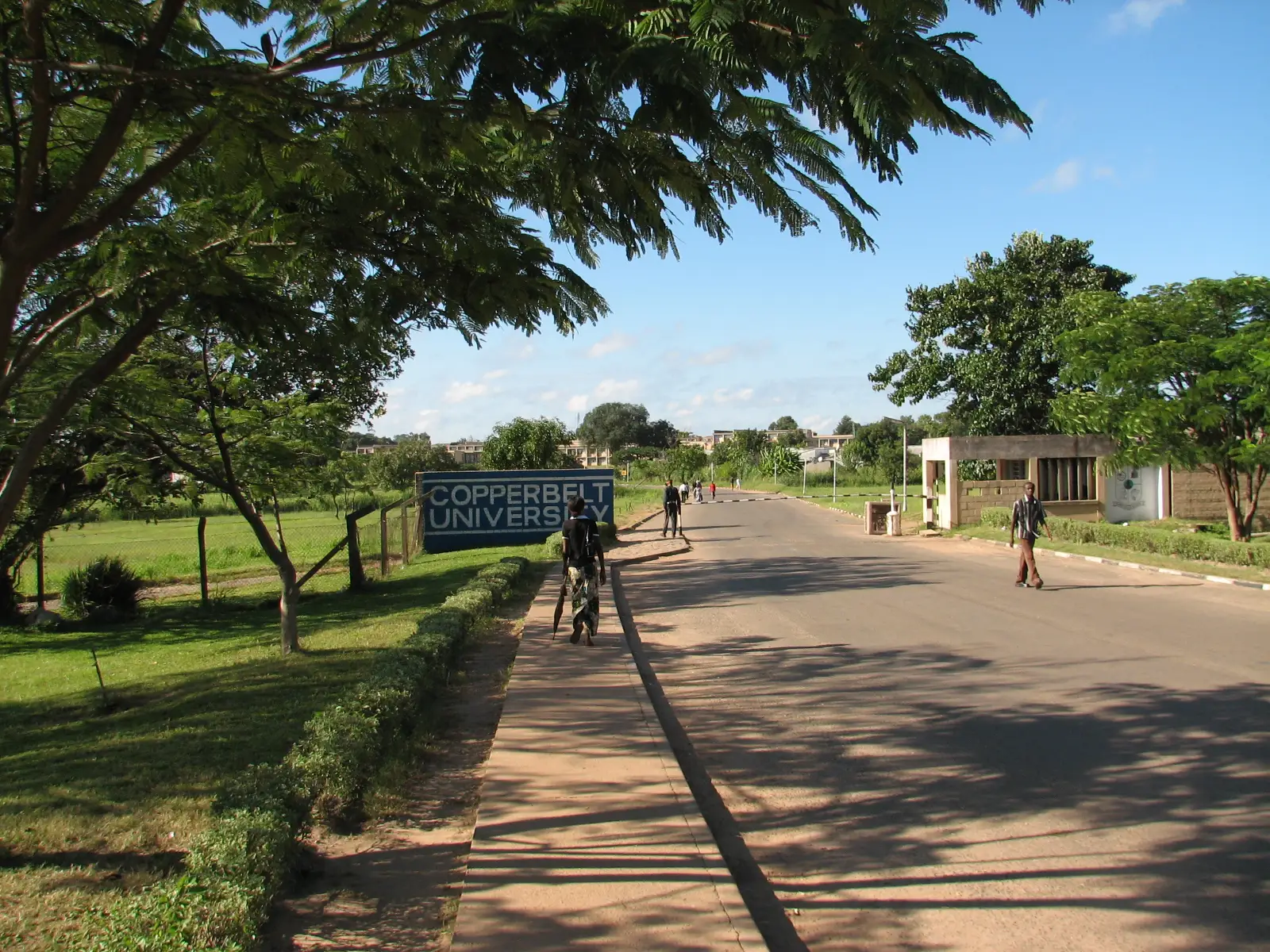
At the moment, the supported universities are Chalimbana, Copperbelt, Kapasa Makasa, Kwame Nkrumah, Levy Mwanawasa Medical, Mukuba, Mulungushi and the University of Zambia. The app asks for your student ID and sponsorship documents during verification.
Things to watch out for
- Lending among friends. It’s normal to help each other, but write down who owes what and agree when it’ll be paid back.
- Several apps at once. Borrowing from one place to pay another usually leaves you owing more than you started with.
- Anyone asking for your PIN or a code in exchange for money. That’s a scam, every time.
End the semester with nothing owed
The best target is to finish each semester owing nothing. If you’re carrying a balance, make paying it off the first thing you do when the next allowance arrives, before the new semester’s spending starts.

